

Hire a Local Plumber Today
Call us Now to Get $50 OFF
Call This Wednesday to Get $50 OFF
Hire a Local Plumber Today
Call This Wednesday to Get $50 OFF

Florida is a beautiful place to live, but it comes with a particular risk: flooding. Most people think of storms and hurricanes, but that’s only part of the story. Florida is a low-lying state, and the water table sits close to the surface. That means water can rise from the ground even on a sunny day.
If you have a basement or crawl space, this is a serious problem. Water can seep in slowly from the ground or rush in during heavy rain. Over time, that water, or even moisture, can damage floors, walls, and anything you store down there.
The good news is that engineers have thought of this. A sump pump installation is designed to protect your home from water damage, but which to get? In this brief article brought to you by Mr. Rooter Plumbing, we offer our two cents.
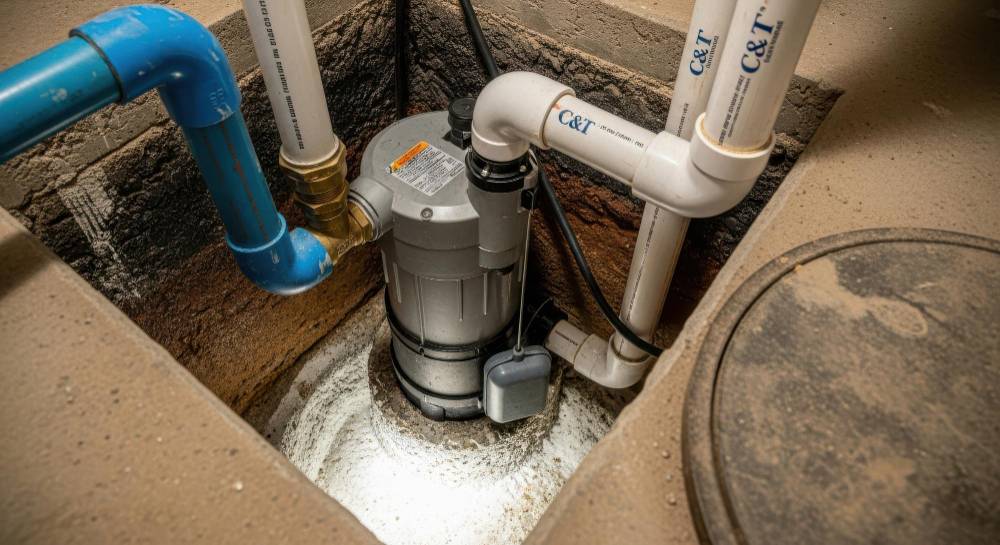
A sump pump is a simple but powerful tool. It sits in a pit (called a sump basin) usually in the lowest part of your home. When water enters that area, it collects in the sump pit. Once the water level reaches a certain level in the sump basin, the pump turns on and ejects the water away from your house.
This simple mechanism helps to:
Sadly, many homeowners don’t think about this until it’s too late. By then, they’re calling a plumber in Fruitville, FL after the damage is done. A sump pump helps you stay ahead of the problem instead.
Sump pumps are used in many states, but Florida homeowners are particularly in need. It’s not just because of storms but also because Florida’s high water table means groundwater can rise quickly.
After heavy rain in Florida, the soil becomes saturated and water has nowhere to go. It can push into your home through cracks in the foundation or weak spots in the structure. Even homes without basements can have issues in crawl spaces or low areas.
When it comes to choosing a sump pump, you have two main options: submersible and pedestal. Each has its own strengths, and the right choice depends on your home and your needs. Let’s break them down.
A submersible sump pump installation sits inside the sump basin we mentioned earlier (inside the water). Of course, the unit is sealed to keep water out of the motor. The benefits of this one is its quieter operation, more powerful pumping, and low visibility.
While submersible sump pumps are great for homes that deal with heavy water flow or frequent flooding, they can cost more upfront. They may also wear out faster since they are always exposed to water.
A pedestal sump pump has its motor above the basin, and only the hose goes into the water. It comes with a lower upfront cost and is easier to access for maintenance. It’s also typically got a longer life expectancy.
With that said, the downside of a pedestal sump pump is that they can be louder and less powerful than submersible models.
The right sump pump depends on your home’s risk level and your budget, but the rules of thumb go like this.
Choose a submersible pump if:
Choose a pedestal pump if:
If you’re unsure, a professional plumber can inspect your home and help you decide. The team at Mr. Rooter Plumbing is always happy to help.
Whether you need a new sump pump, a replacement, or emergency plumbing repair service, the dedicated team at Mr. Electric is ready, willing, and able to help. Call or message us today to get in touch with a live representative.
A leaking pipe and a burst pipe have more in common than most homeowners realize. One is just the other one waiting to happen. In fact, the difference…
One of the most common questions we hear from homeowners and business owners is, “How much does a water line replacement cost?” Straight to the chase.…
Every time you flush a standard toilet, you send around 1.6 to 3.5 gallons of water spinning down the drain. Multiply that by the dozens of flushes your household makes…
The importance of waterproofing a shower is often overlooked during remodeling. Everyone focuses on things like unique tilework, frameless glass, layered lighting, and smart water controls. But did you know…