

Hire a Local Plumber Today
Call us Now to Get $50 OFF
Call This Tuesday to Get $50 OFF
Hire a Local Plumber Today
Call This Tuesday to Get $50 OFF

Let's face it: most people take the water line for granted. Flick the tap and you've got water running. Turn the knob and you're taking your shower. It's not as simple as that when you look behind the walls, though. Plumbing pipes and other supporting components are working around the clock to make sure water gets to where you desire.
As reliable as they are, water lines can leak – and the leak can carry on for weeks, months, and even years before you notice. This is why scheduling annual leak detection service is always advisable... but what should you expect from the service provider?
In this brief article brought to you by Mr. Rooter Plumbing, we walk you through what typically happens from the moment you call a plumber for a water leak detection. First, let’s make sure we’re on the same page.
Many property owners wait for the signs of a water leak to present themselves, but the damage is largely done by then! At that point, you could be dealing with:
You can avoid these expensive headaches altogether with preventive measures, visual inspections, and a professional leak detection once every year or two. Qualified plumbers use advanced diagnostics tools to scan the plumbing pipes without breaking through walls and floorboards.
With that said, let’s run through what to expect when you call the plumber for leak detection services.
When you first contact a plumbing company, pay attention to how they communicate with you. A good plumber will ask questions about what you’ve noticed. You might mention water stains on walls, musty smells, low water pressure, and other changes you’ve noticed in your plumbing.
They’ll note these details and may ask followup questions to hone in on possible issues. That way, we can come out with parts, tools, and materials to handle any plumbing repair service the first time around.
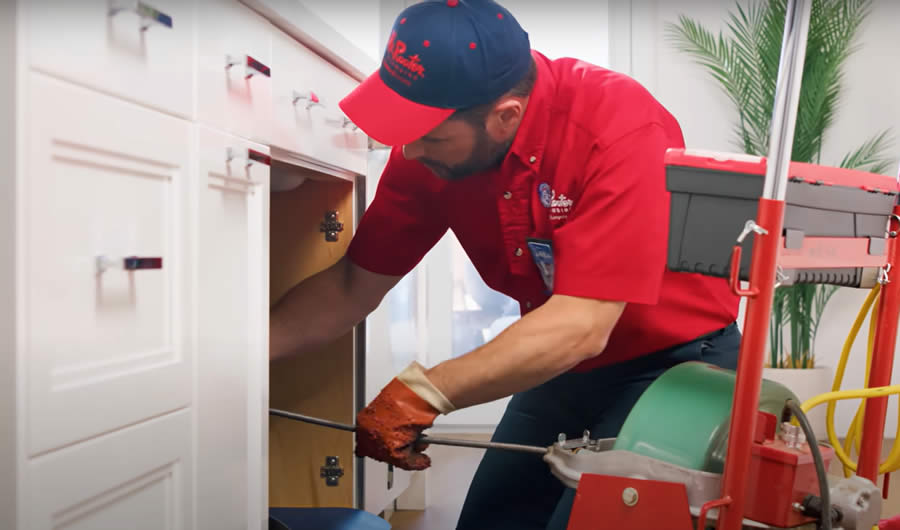
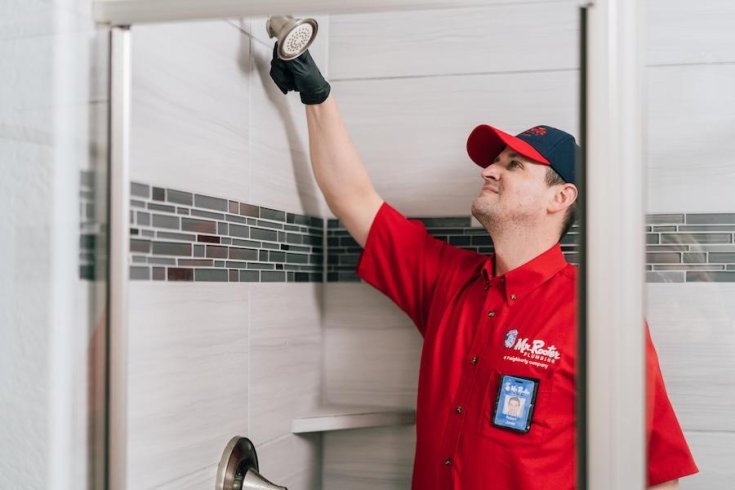
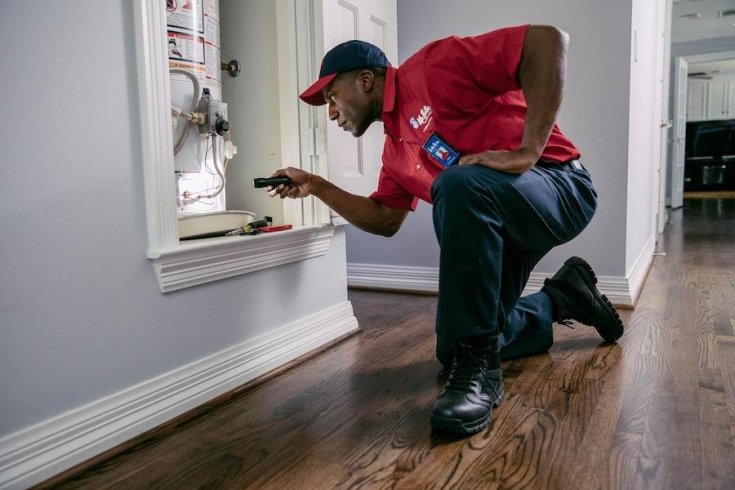
The plumber will come out in a branded and stocked vehicle, and professionals will come in uniform indicating the company they work with. Once they’ve respectfully introduced themselves, it’s straight to work.
The technician will check visible pipes, plumbing fixtures and connections, and areas where leaks are most common. This general overview is to find clues that point to hidden leaks.
Now, the plumber will hone in on the problem areas. They’ll use special tools to get a closeup. These tools include:
By this time, the plumber is going to have a strong idea of what is causing your complaints and, more importantly, any future problems that can come up down the line – no pun intended.
After the inspection, the technician should explain what they found in a way that’s easy to understand. They will show you the problem, explain what caused it, and recommend the best solution. To be clear, the “best” solution varies from person to person.
The plumbers at Mr. Rooter, for instance, can consider your budget and future plans to suggest the appropriate solution. Sometimes, a repair will get you through a few months; other times, a replacement is worth the upfront cost.
Whether you’re concerned about a leak or just want to schedule a leak detection to enjoy a peace of mind, the team at Mr. Rooter Plumbing is happy to help. Call or message us today to get in touch with a uniformed, background-checked, and regularly-trained plumber.
Every time you flush a standard toilet, you send around 1.6 to 3.5 gallons of water spinning down the drain. Multiply that by the dozens of flushes your household makes…
The importance of waterproofing a shower is often overlooked during remodeling. Everyone focuses on things like unique tilework, frameless glass, layered lighting, and smart water controls. But did you know…
Garbage disposal units seem simple enough, but the installation is more complex and potentially-frustrating than most people understand. Many times, what starts as a couple-hour DIY project turns into a…
More homeowners and businesses are thinking about switching from a tank-style water heater to a tankless system. It sounds like a smart move, but it’s normal to feel unsure. Change…