

Hire a Local Plumber Today
Call us Now to Get $50 OFF
Call This Tuesday to Get $50 OFF
Hire a Local Plumber Today
Call This Tuesday to Get $50 OFF

A water line replacement is not the kind of project most homeowners or business owners face often. It’s a major investment that affects your property, your water supply, and your long-term maintenance costs.

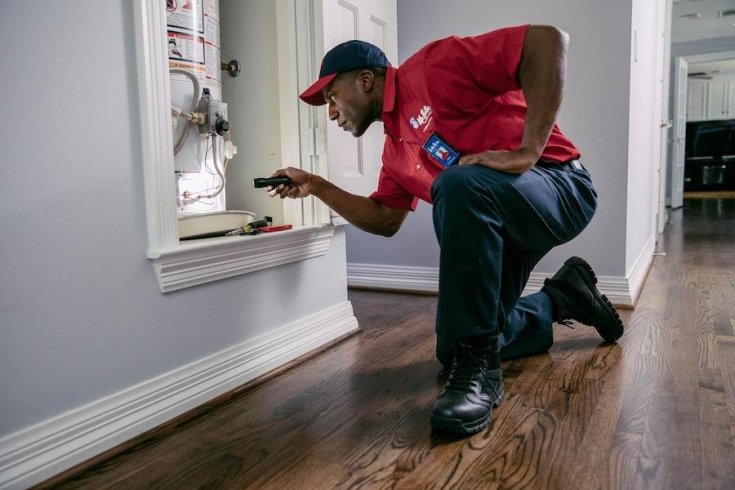
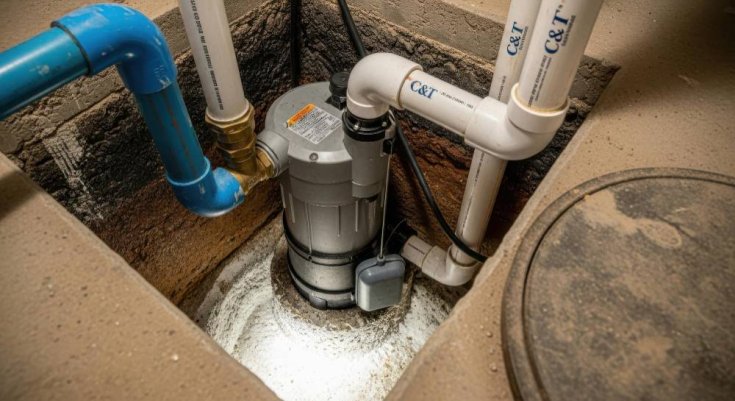
In a state like Florida, where soil conditions, tree roots, heavy rains, and aging infrastructure can all affect underground plumbing, choosing the right contractor matters even more.
Since a properly installed water line can last decades, it’s worth slowing down and asking the right questions before signing any agreement. A little due diligence now can save you from costly problems later.
In this brief article brought to you by Mr. Rooter Plumbing, we highlight some important questions Florida property owners ought to ask before hiring a contractor or plumber for a water line replacement in Palma Sola.
Florida has specific licensing requirements for contractors who work on underground plumbing systems. A qualified plumber should be properly licensed in the state and carry insurance that protects both your property and their workers.
Licensing and insurance is particularly important in Florida because:
Don’t just take their word for it. A reputable and established company will have no problem providing proof of licensing and insurance. If a contractor hesitates or avoids the question, that’s a red flag.
No one wants their property to be the trial run. Expertise and licensing are great, but the proof is in the pudding. Ask questions like:
An experienced plumber will be more than happy to share references and/or a portfolio. They’ll clearly explain how they plan to accommodate sandy soil, frequent storms, and high water tables.
Believe it or not, there’s more than one way to replace a water line, and the best method depends on your property, pipe condition, and budget. Common methods include the traditional trench excavation approach, trenchless pipe bursting, and directional boring.
Each approach has different costs, timelines, and levels of disruption. A trustworthy plumbing company will explain your options clearly and help you choose the most practical solution for your unique circumstance.
Since this new water line may serve your property for decades, the material used is extremely important. Ask the contractor what type of piping they recommend, the piping’s expected lifespan, and how that material performs in Florida’s environment.
Modern materials such as HDPE or PEX are often preferred for their durability and flexibility in areas prone to ground movement, and a knowledgeable plumber will explain why these, or any other option, is best suited for your property location.
One of the biggest concerns homeowners have about a water line replacement is the disruption. Excavation can affect landscaping, driveways, sidewalks, and irrigation systems, and the project itself can throw your schedule off whack.
Before hiring a contractor, ask:
An experienced and reliable plumber will provide a clear project plan and timeline so you know exactly what to expect.
Replacing the water line is not something you want to rush. Take the time to ask thoughtful questions, and don’t be ashamed to say no if you feel uncomfortable. Sometimes, your gut feeling is valid.
If you’re looking for a reputable company with decades of industry experience, licensed and insured plumbers, upfront pricing, and proven expertise, then consider the pros at Mr. Rooter Plumbing.
We have an office team ready to address questions or concerns, schedule a flexible appointment, or arrange urgent plumbing repair service for as soon as possible.
More homeowners and businesses are thinking about switching from a tank-style water heater to a tankless system. It sounds like a smart move, but it’s normal to feel unsure. Change…
Florida is a beautiful place to live, but it comes with a particular risk: flooding. Most people think of storms and hurricanes, but that’s only part of the story. Florida…
A leaking pipe or a clogged drain can disrupt your day and cost money, but what happens when problems keep popping up all over your home or business? At that…
Let's face it: most people take the water line for granted. Flick the tap and you've got water running. Turn the knob and you're taking your shower. It's not as…