

Hire a Local Plumber Today
Call us Now to Get $50 OFF
Call This Friday to Get $50 OFF
Hire a Local Plumber Today
Call This Friday to Get $50 OFF
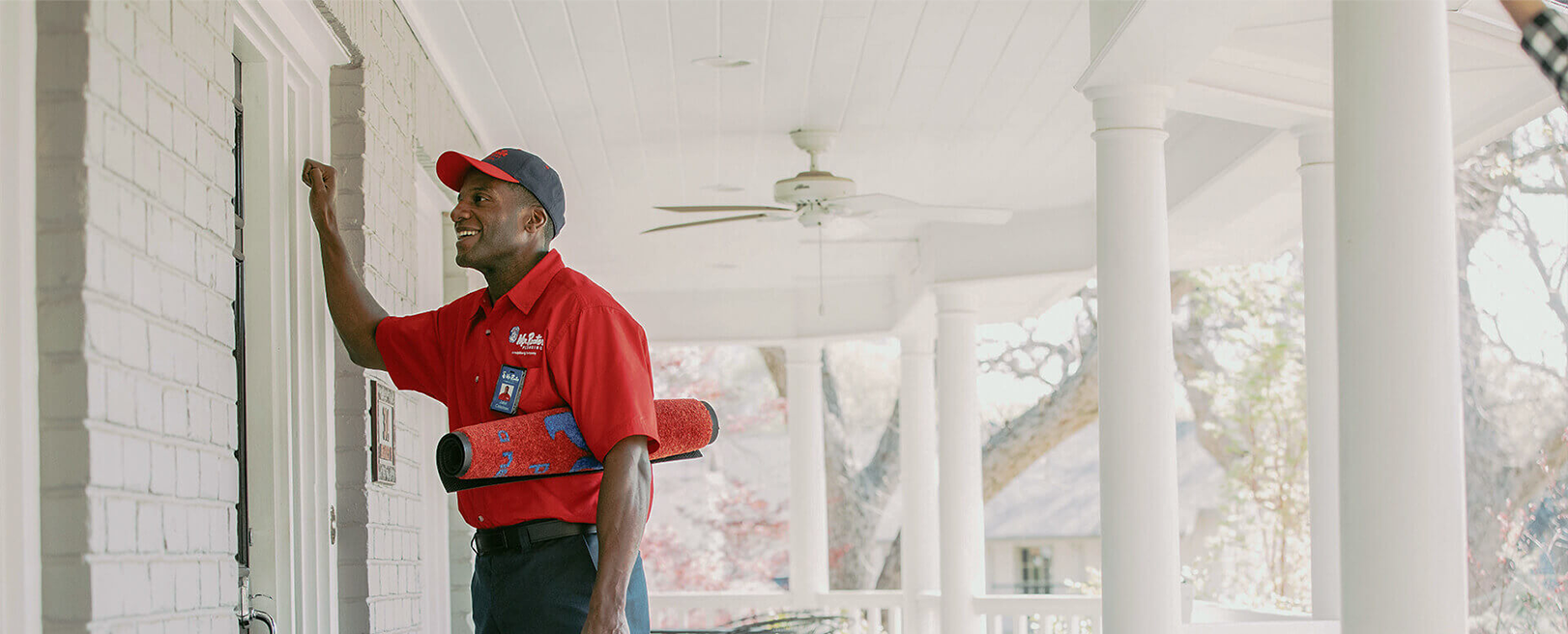
The humble toilet is typically taken for granted and overlooked. That is, until it starts acting up. Suddenly, that reliable porcelain throne becomes a source of frustration. Whether it’s a slow drip, a phantom flush, or a mysterious puddle around the base, a toilet leak is possibly the most common toilet issue that we address here at Mr. Rooter Plumbing.
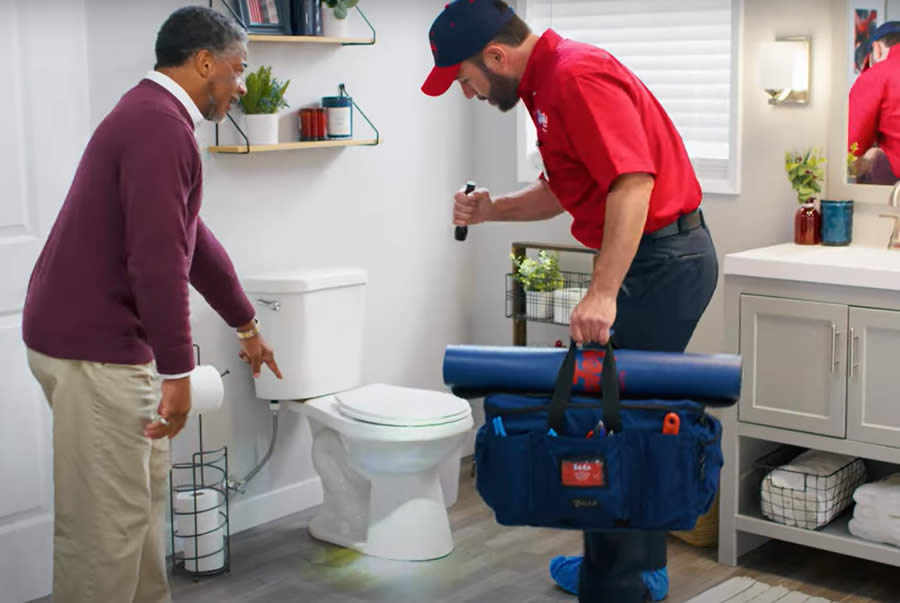
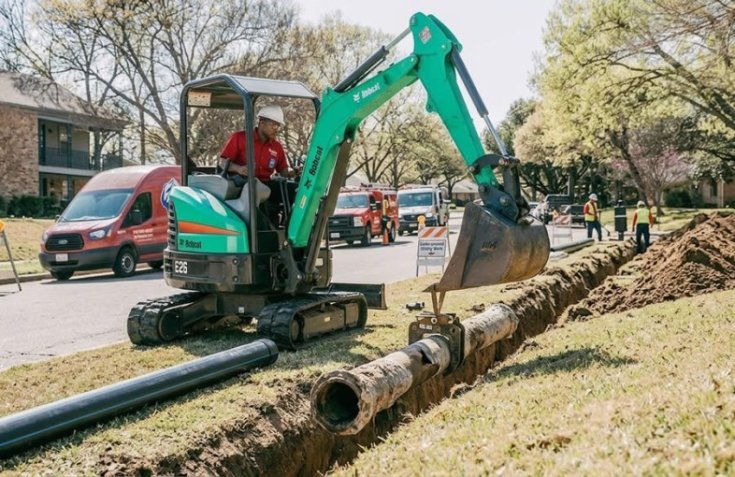
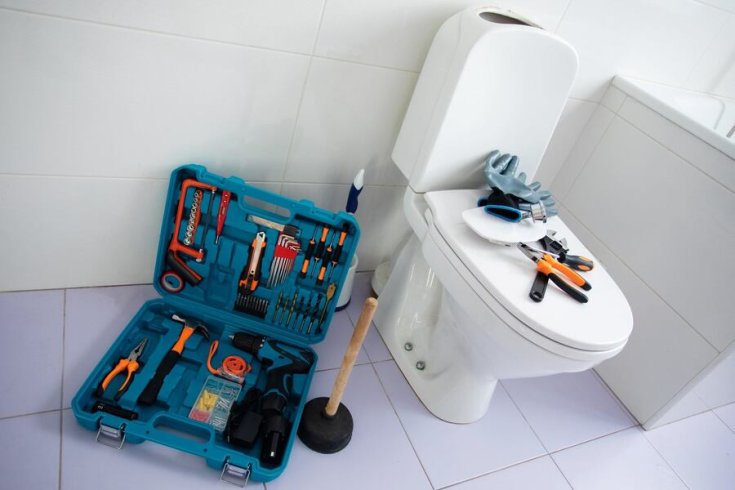
The perplexing truth is that toilet leaks come in all shapes and sizes. Some are obvious while others are nearly invisible if not for your water bill shooting through the roof. There’s one thing they all have in common, however: They should not be ignored.
In this brief article brought to you by Mr. Rooter Plumbing, we take a closer look at a few common types of toilet leaks, what you can do about them, and how scheduling periodic leak detection can help you avoid bigger problems down the road.
Like straight out of a spooky movie: You're in another room when you suddenly hear the toilet refill as if someone just flushed. But no one did. Creepy? Kind of. Costly? Definitely.
This phenomenon, commonly known as a phantom flush, is almost always caused by a slow leak from the tank into the bowl. The most likely culprit? A worn-out flapper valve or a misaligned chain inside the tank.
Pop the lid off your tank and take a look. If the flapper is warped, cracked, or not sealing properly, then fix or replace it. This is simple enough for most people to handle on their own. If the flushing mechanism is more complex or deteriorated, then save yourself the trial-and-error frustration and call a plumber in Sarasota, FL instead.
Ever walk into the bathroom and 'dip' your feet in, well, a puddle of water around the toilet? Probably not exactly the spa experience you were going for.
Water leaking from the base of the toilet usually means a broken wax ring seal or a loose flange or bolts. This kind of leak can unleash sewage and wastewater to seep into your flooring, so it's not something you want to ignore for even a second.
Tighten the bolts at the base to see if that helps. If not, the wax ring likely needs replacing. Now, replacing the wax ring typically involves removing the toilet... and that's not something we recommend for anyone to do themselves. We get called frequently to finish what some DIY'ers start, and this is one of them. Save yourself the headache and call Mr. Rooter instead.
Sometimes the leak isn’t flashy. Instead, it's a subtle and steady stream of water trickling into the bowl. You may or may not hear it, but you’ll definitely see it reflected in your water bill. Running toilets can waste a hundred gallons of water per day, and they usually stem from a faulty fill valve, improperly adjusted float, or worn flapper.
The food dye trick works well here. Add a few drops of food coloring into the toilet tank and wait 10-15 minutes. If the color appears in the toilet bowl, then you've got yourself a running toilet. Adjusting or replacing the fill valve or float may help, but the troubleshooting can be frustrating.
Sometimes, moisture will seep out from the water supply line or the connection at the bottom of the tank. These types of leaks often go unnoticed until mold starts to form or water damage appears on the wall or floorboards.
Check the connections where the supply line meets the tank. If they’re loose, a quick tightening might do the trick. But if corrosion or wear is the issue, you might need a new line or valve. This is normally a legit reason to call for a plumbing repair service.
Some leaks are just plain tricky. If the source is a mystery, or if replacing parts doesn't solve the issue, or if you just don't want to turn a minor leak into a major problem, then contact Mr. Rooter Plumbing for quick and affordable toilet repair. Our team is here to help at any time of the day.
One of the most common questions we hear from homeowners and business owners is, “How much does a water line replacement cost?” Straight to the chase.…
Every time you flush a standard toilet, you send around 1.6 to 3.5 gallons of water spinning down the drain. Multiply that by the dozens of flushes your household makes…
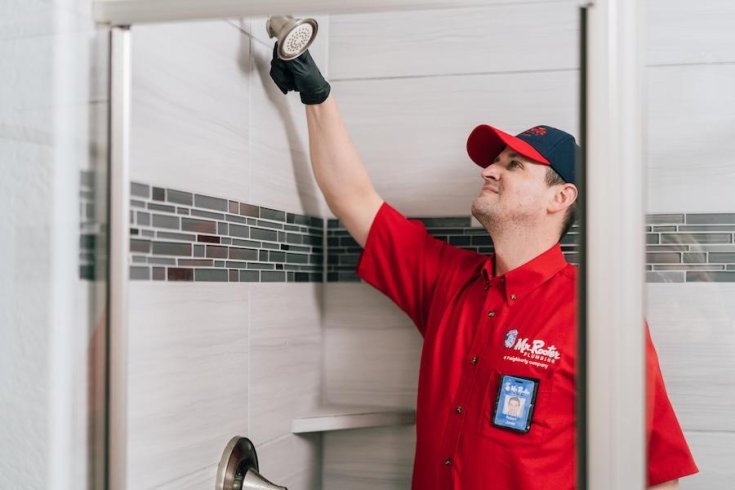
The importance of waterproofing a shower is often overlooked during remodeling. Everyone focuses on things like unique tilework, frameless glass, layered lighting, and smart water controls. But did you know…
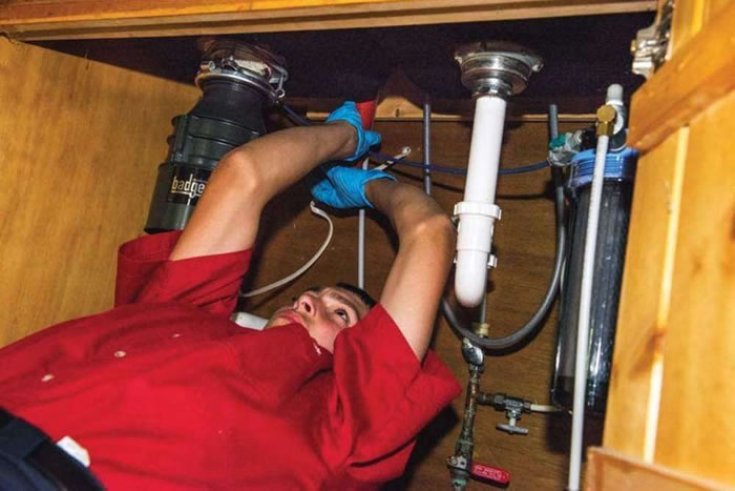
Garbage disposal units seem simple enough, but the installation is more complex and potentially-frustrating than most people understand. Many times, what starts as a couple-hour DIY project turns into a…