

Hire a Local Plumber Today
Call us Now to Get $50 OFF
Call This Saturday to Get $50 OFF
Hire a Local Plumber Today
Call This Saturday to Get $50 OFF

We love trees as much as anyone else. They provide shade, refresh our air, make neighborhoods more beautiful, and some even offer fruit... but as any seasoned plumber will tell you, trees aren’t always harmless. Below the surface, tree roots spread wide and strong in their relentless search for water. In that pursuit, tree roots can and do break through water and sewer lines.
The result is more than just inconvenience. Broken lines can cause water waste, sewage backups and leaks, and even attract pests and rodents. In more severe cases, contaminated water seeps into the soil and puts both your property and health at risk.
In this brief article brought to you by Mr. Rooter Plumbing, we take a closer look at how roots cause this damage, what signs you should watch for, and how to prevent a repeat problem once it’s fixed. If the damage is done and you're looking for reliable plumbing repair service, then call the time-tested and uniformed pros at Mr. Rooter.
Tree roots are programmed to seek out moisture and nutrients. Underground pipes carrying fresh water and sewage provide both, and they are prime targets for these raiders. Roots can sense even tiny leaks from joints, pinholes, or cracks. Once they detect that moisture, they grow toward it and, eventually, into the pipe itself.
What begins as a minor intrusion can expand into a dense root mass that clogs the line entirely. Over time, the pressure from growing roots can split pipes wide open and force your hand into a costly water line replacement or repair.
Once roots have found their way inside the pipes, the damage compounds quickly. You can expect:
The threats are obvious, but what about the signs of trouble? Those can be subtle at first. Let's take a look.
Spotting tree root intrusion early on can save you hundreds and even thousands in repairs. Here are warning signs homeowners and property managers should look for:
Whether it's a tree root intrusion or not, these are warning signs that should NEVER be ignored. It is always advisable to have a local plumber come and investigate ASAP.
While you can’t stop trees from growing, you can take steps to protect your water and sewer lines from root intrusion.
For beginners, avoid planting trees near sewer laterals or water lines and choose slow-growing species with less invasive root systems. Installing physical barriers underground can also help redirect roots away from sensitive areas. In some cases, chemical root treatments can be applied to keep pipes clear without harming the tree.
Tree roots may be a natural part of the landscape, but the damage they cause to water and sewer lines is anything but natural. If the damage is done, then call or message Mr. Rooter Plumbing to have a plumber get to the bottom of it as soon as possible.
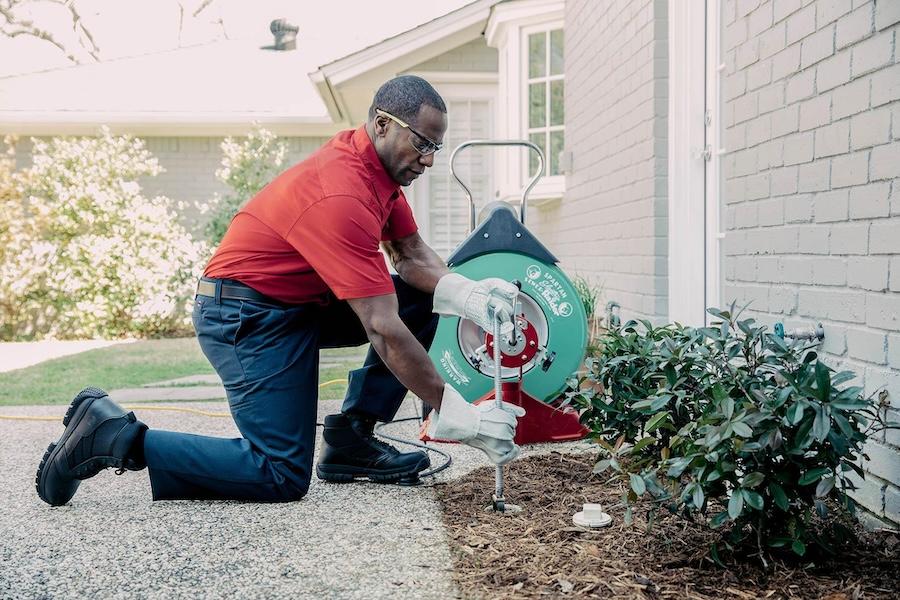
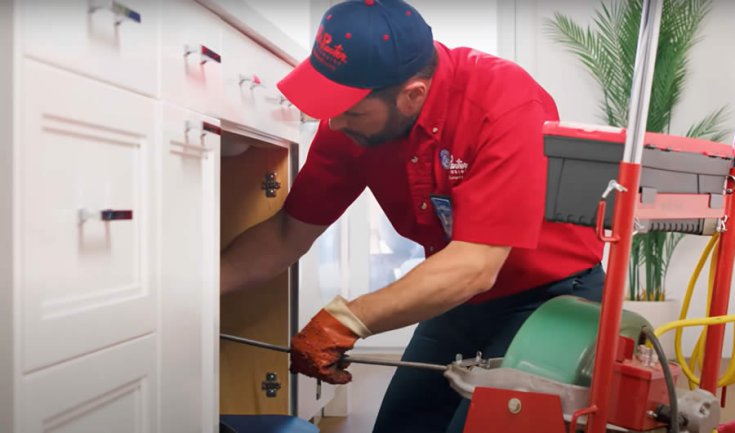
Mr. Rooter is a time-tested, licensed, and insured company with uniformed and regularly-trained plumbers. Our pros use advanced diagnostic tools and equipment to fix the issue at the root. Our solutions range from hydro-jetting and pipe relining to full replacements.
More homeowners and businesses are thinking about switching from a tank-style water heater to a tankless system. It sounds like a smart move, but it’s normal to feel unsure. Change…
Florida is a beautiful place to live, but it comes with a particular risk: flooding. Most people think of storms and hurricanes, but that’s only part of the story. Florida…
A leaking pipe or a clogged drain can disrupt your day and cost money, but what happens when problems keep popping up all over your home or business? At that…
Let's face it: most people take the water line for granted. Flick the tap and you've got water running. Turn the knob and you're taking your shower. It's not as…