

Hire a Local Plumber Today
Call us Now to Get $50 OFF
Call This Tuesday to Get $50 OFF
Hire a Local Plumber Today
Call This Tuesday to Get $50 OFF

Gas lines are the conduits that carry natural gas to your appliances and equipment, and these pipes deserve praise and demand attention. A damaged or leaking gas line is not just inconvenient; It can lead to serious health risks, fires, or even explosions.
This is why gas line repair is never a job to take lightly. If you suspect a problem, then call a professional right away. Before you hire someone, however, it’s smart to ask the right questions so you know your property is in capable hands.
In this brief article brought to you by Mr. Rooter Plumbing, we share our two cents on what to ask before hiring a plumber or gas line technician. If you have any questions or concerns, you are welcome to call or message Mr. Rooter.
Let's drill down the obvious: gas line work is not appropriate as a DIY project! You're dealing with a fuel that's both poisonous and explosive. Natural gas leaks can fill your home with fumes that cause headaches, nausea, and dizziness. In higher concentrations, those fumes can ignite to cause explosions that destroy buildings and injure or kill people.
To be crystal clear: The person working on your gas lines needs specific training, certifications, and experience that go beyond general plumbing knowledge. In fact, not every plumber is qualified to touch gas lines – and you absolutely should verify credentials before letting anyone near yours.
This should be your first and most important question. Gas line repair in Anna Maria, FL demands special licensing in most states, and that licensing is NOT the same as basic plumbing credentials. A plumber might be perfectly qualified to replace your water heater but completely unqualified to work on the gas line.
Don’t take their word for it. Ask specifically about gas line certifications. The company should be able to tell you exactly what credentials their technicians hold and share license numbers that you can verify with your state's licensing board. If they seem unclear or evasive about their gas line qualifications, then that’s your cue to look for someone else.
You should also get more specific. Ask whether the particular technician coming to your property holds these certifications… not just whether the company employs someone, somewhere who does. You need THE qualified person actually doing the work at your home or business.
Insurance always matters, but it's especially critical when dealing with gas lines. If something goes wrong during gas line repair and your property is damaged or someone gets hurt, then you need to know that the company's insurance will cover it.
Ask about both liability insurance and workers' compensation coverage. Liability insurance protects you if the work causes property damage or injury. Workers' compensation covers their employees if they get hurt on your property.
Without proper coverage, you could be held financially responsible for accidents that happen during the repair work. Remember to ask for proof of current insurance certificates and verify the coverage amounts are enough for the type of work being done.
You want a company that has handled your specific problem many times before, not one that's figuring it out as they go. So, ask how long they've been doing gas line repairs and how many jobs similar to yours they complete in a typical year.
You can also ask for references from recent gas line jobs. Any company confident in their work should be prepared to provide contact information for satisfied customers who had similar repairs done.
You need to know what you're paying for before any work begins. A detailed estimate should break down labor costs, parts, permits if needed, and any additional fees.
Beware of estimates that seem unusually low compared to other quotes, though. Cut-rate pricing often means corners are being cut somewhere. Those corners could cost you your safety.
If you’re looking for an established, licensed, and insured business with decades of industry experience, uniformed staff, and upfront price quotes, then Mr. Rooter is the company to call.
Our team is on standby to address questions or concerns, schedule an appointment, or arrange urgent plumbing repair service for as soon as possible.
One of the most common questions we hear from homeowners and business owners is, “How much does a water line replacement cost?” Straight to the chase.…
Every time you flush a standard toilet, you send around 1.6 to 3.5 gallons of water spinning down the drain. Multiply that by the dozens of flushes your household makes…
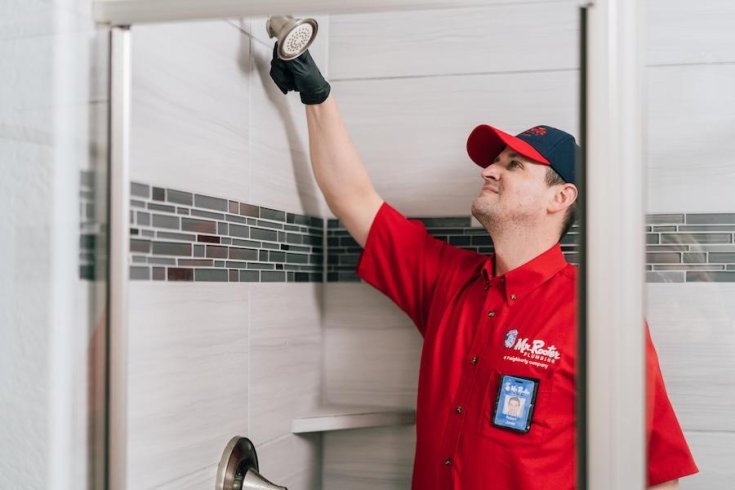
The importance of waterproofing a shower is often overlooked during remodeling. Everyone focuses on things like unique tilework, frameless glass, layered lighting, and smart water controls. But did you know…
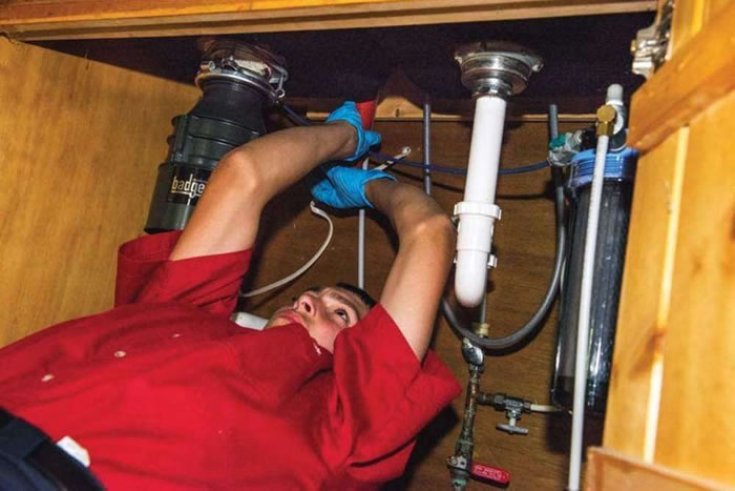
Garbage disposal units seem simple enough, but the installation is more complex and potentially-frustrating than most people understand. Many times, what starts as a couple-hour DIY project turns into a…